Engineering (Dual Degree)
Salve Regina University’s partnerships with the University of Massachusetts Dartmouth (UMass Dartmouth) and Washington University in St. Louis (WashU) offer flexible dual-degree pathways that allow you to explore the STEM disciplines before committing fully to an engineering field.
Students typically complete three or four years of coursework in chemistry or mathematics at Salve, building a strong liberal arts foundation rooted in the mercy tradition – before transitioning to two or three years of engineering study at the partner institution.
This model gives you the freedom to discover your interests, change direction at any point and ultimately feel confident in the engineering pathway you choose. Throughout your time at Salve, you’ll work closely with faculty advisors to map out an individualized plan that supports your academic goals and ensures a seamless transition to your engineering program.
To be eligible for UMass Dartmouth’s program, you must maintain a 2.50 GPA, with no grade below C- in courses being used toward the engineering degree. To be eligible for WashU's program, you must maintain a 3.25 GPA, with no grade below C- in any mathematics or science courses.
Which Path is Right for You?
Whether you start in Salve’s chemistry or mathematics program, you’ll gain a solid STEM foundation while remaining free to explore various fields before committing to engineering. This approach ensures that you build confidence in your academic direction, tailor your studies to personal and professional goals and graduate with two degrees and expanded career opportunities.
Connect, Learn, Grow
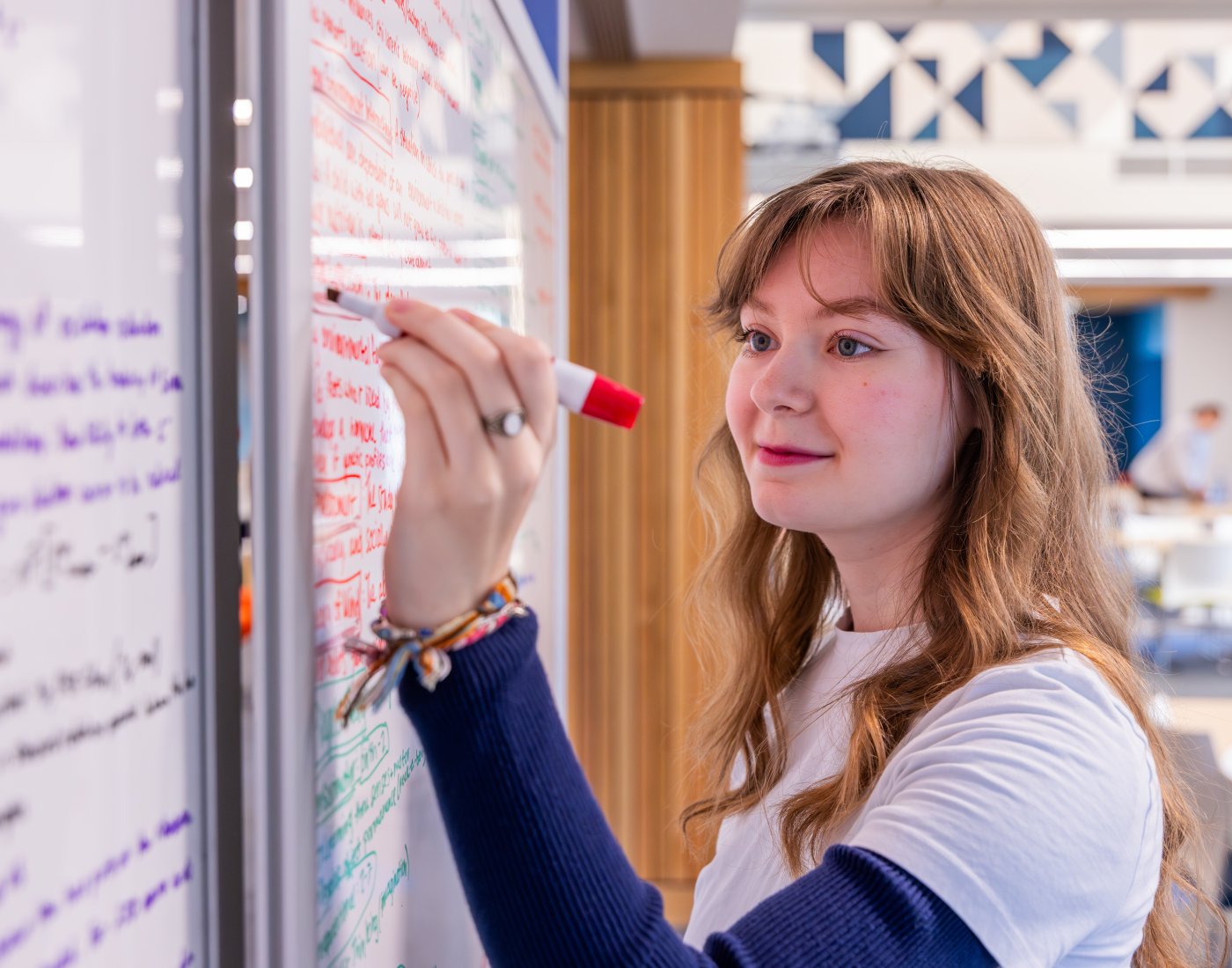
Chemistry and mathematics at Salve are more than academic pathways, they’re vibrant, tight-knit communities where curiosity thrives. Our majors connect through the Chemistry Club and Math Club, spaces where problem-solving becomes collaborative, experimentation becomes shared discovery and friendships form over everything from study sessions to hands-on demonstrations.
Career Paths in Engineering
Students who complete the dual-degree engineering program learn to approach problem-solving and innovating from diverse perspectives in different environments. Our graduates enter their careers equipped with critical and scientific thinking skills, collaborative communication experience, technical expertise and adaptability.
Possible employers include:
- Federal commissions, departments and regulatory agencies
- Hospitals and healthcare facilities
- Medical equipment and supplies manufacturers
- Pharmaceutical manufacturers
- Private and national research laboratories
- Research facilities in educational and medical institutions
- Scientific or technical service companies
- Utility companies
Degree Options
Bachelor of Arts in chemistry (Salve) and Bachelor of Science in bioengineering (UMass Dartmouth)
Students who pursue this option complete three years of coursework at Salve, then transition into UMass Dartmouth’s bioengineering program – an ABET-accredited degree designed to prepare students for careers in medical device design, biotechnology, clinical engineering and graduate study in health and engineering fields.
Bioengineering is an interdisciplinary field that applies engineering principles to biological systems and questions, from developing environmentally friendly materials to designing innovative medical devices. The program will prepare you to join a new generation of innovators and leaders in fields with significant and growing employment opportunities, including healthcare, public health and biomanufacturing. Through an available concentration in biomedical engineering, you can focus on medical applications of the field, including biomedical device development and tissue engineering.
After two years at UMass Dartmouth, students earn:
- B.A. in chemistry from Salve Regina University
- B.S. in bioengineering from UMass Dartmouth
See course requirements and degree plans at Salve.
See course requirements and degree plan at UMass Dartmouth.
You also have the option to complete a master’s degree at UMass Dartmouth, creating a streamlined and efficient 3+3 pathway. The 3+3 option leads to a Master of Science in biomedical engineering and biotechnology.
Bachelor of Arts in chemistry or mathematics (Salve) and Bachelor of Science in engineering (WashU)
Students who are majoring in chemistry or mathematics at Salve may apply to WashU’s highly regarded McKelvey School of Engineering, which offers a broad range of engineering majors. WashU has more than a dozen engineering disciplines – including biomedical engineering, chemical engineering, computer engineering, computer science, data science, electrical engineering, environmental engineering, mechanical engineering and additional interdisciplinary engineering pathways.
Students who complete the program earn:
- B.A. in chemistry or mathematics from Salve Regina University
- B.S. in engineering from Washington University in St. Louis
See course requirements and degree plans at Salve.
See course requirements and degree plans at WashU.
The 3+3 option also leads to a Master of Engineering or Master of Science in one of 17 concentrations and guarantees significant tuition discounts during the three years of enrollment.
Financial Aid and Tuition Benefits
You’re encouraged to contact the financial aid offices of the partner institutions for individualized guidance regarding financial aid and scholarship opportunities. Additionally, students who meet WashU’s admission standards receive a 50% tuition scholarship for the engineering portion of the program, an exceptional benefit that makes advanced engineering study more affordable.
Summer Research at WashU
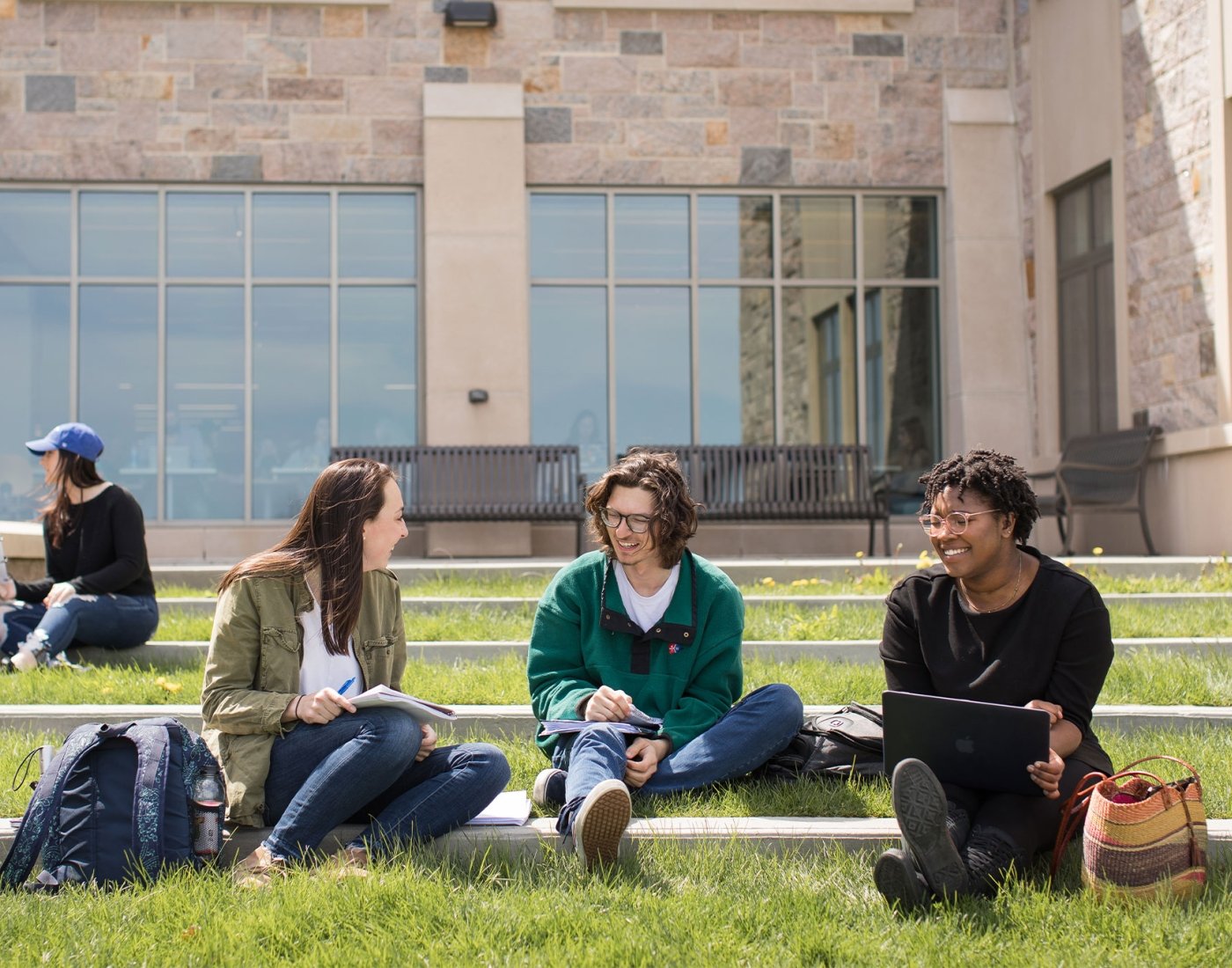
At WashU, you’ll have access to a wide range of paid and for-credit summer research opportunities. From hands-on lab work and design projects to interdisciplinary research alongside engineering, medical and science faculty, you’ll blend theory with practice while building career-ready skills.
January Term at WashU
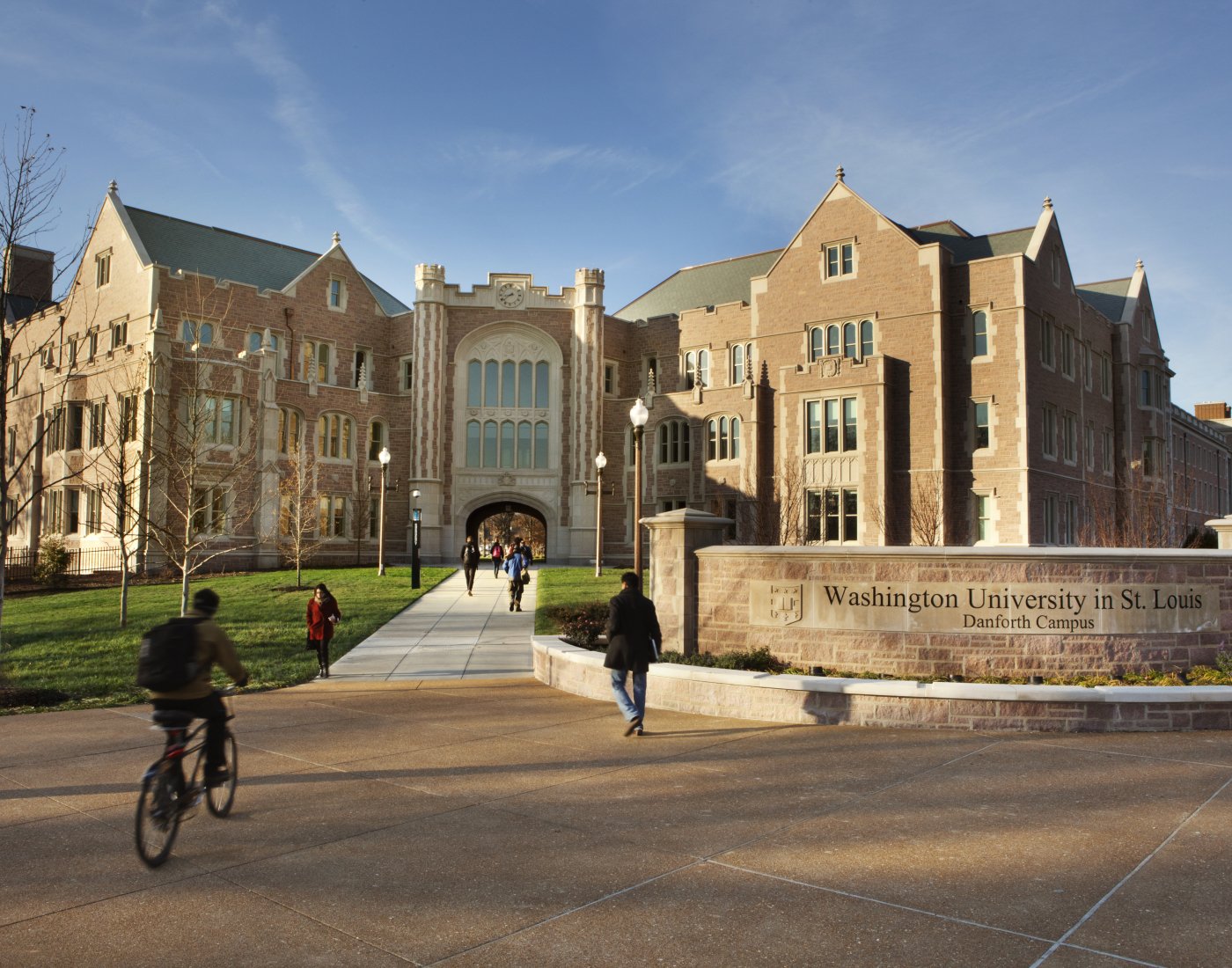
Students who meet the minimum GPA requirement can participate in an 11-day intensive experience at WashU during winter break of their junior year. In this January term, you’ll complete a three-credit engineering course that counts toward the dual degree. This is a great way to build connections in the WashU community before officially transferring.
Meet Our Engineering Faculty
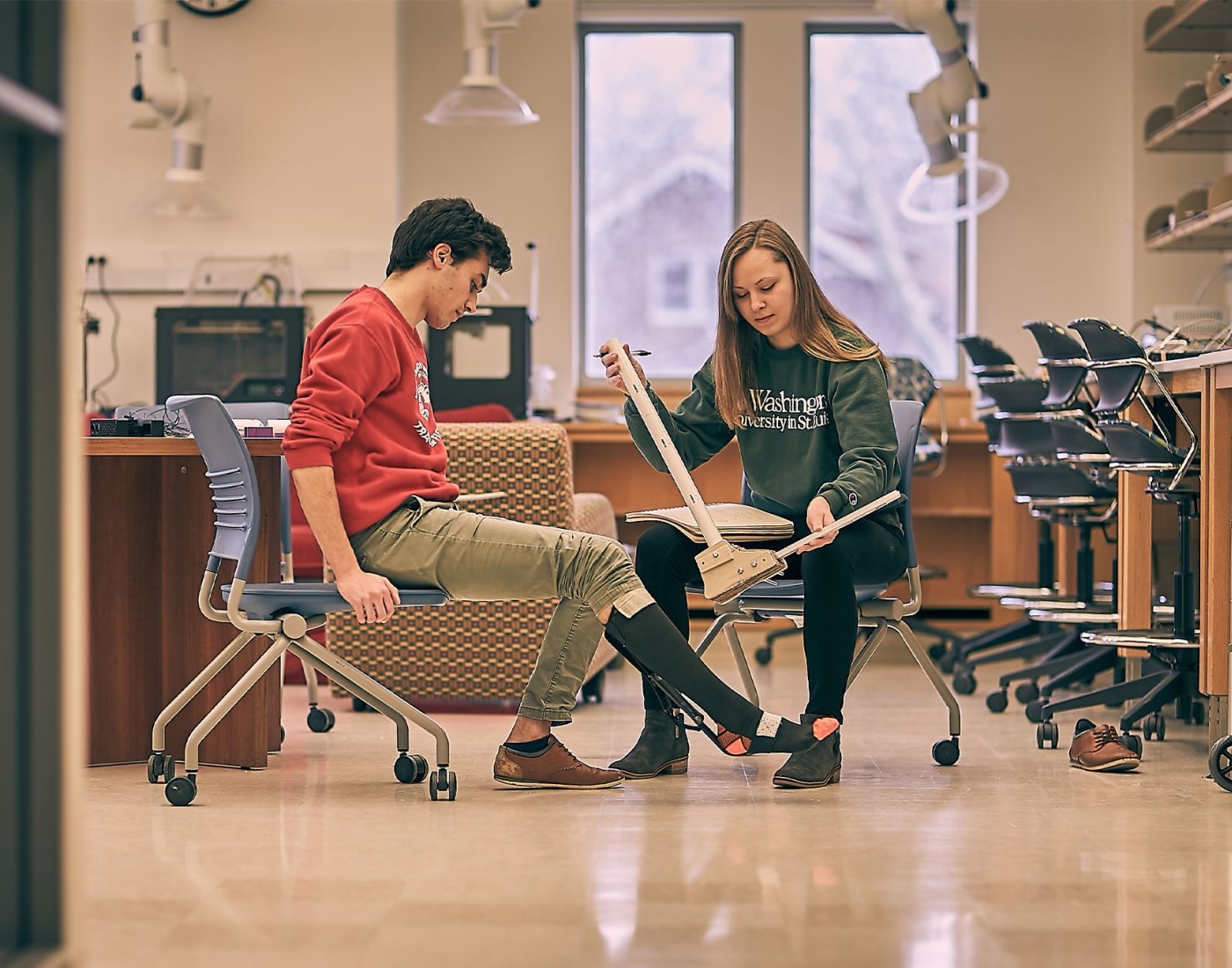
Through individualized research projects, our chemistry faculty provide opportunities for enhanced learning and intellectual development, empowering students to explore new ideas and make important scientific discoveries. Our mathematics faculty help students hone their reasoning and problem-solving skills with a challenging curriculum that explores the fundamentals of mathematics, statistics, computational science and data analysis.
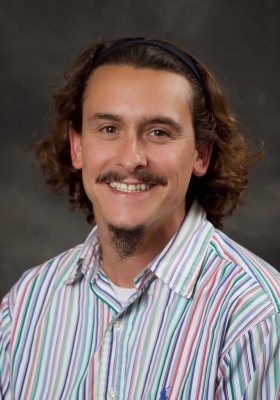
Dr. Thomas Arruda
- Associate professor
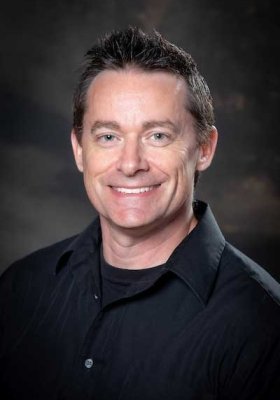
Dr. Edward Dougherty
- Associate professor
- Chair, Mathematical Sciences
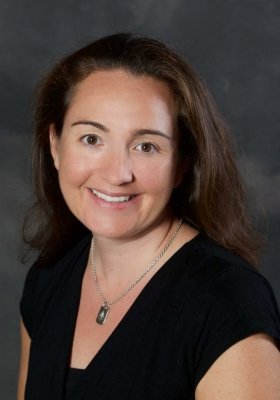
Dr. Elizabeth Fitzgibbon
- Associate professor
- Associate dean
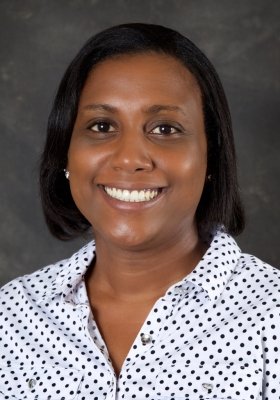
Dr. Khadine Higgins
- Associate professor
- Chair, Chemistry

Donna McCadden
- Lecturer
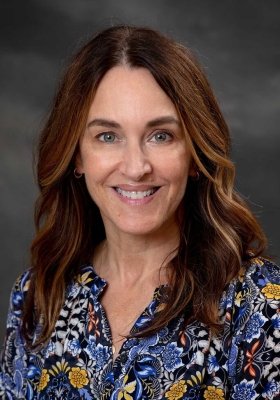
Dr. Susan Meschwitz
- Professor
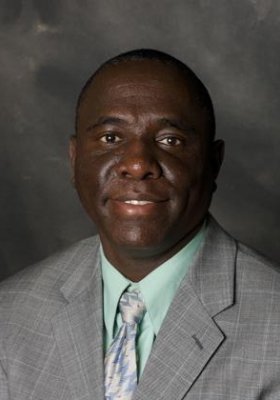
Dr. Bernard Munge
- Professor
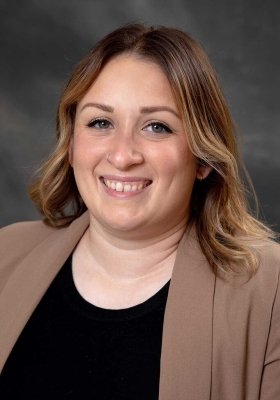
Dr. Gabriella Papale
- Associate professor
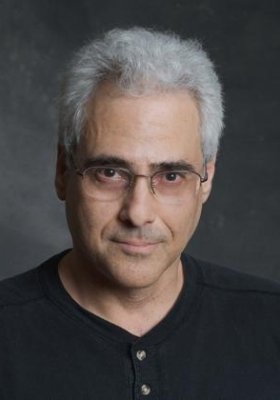
Dr. Ernest Rothman
- Professor